

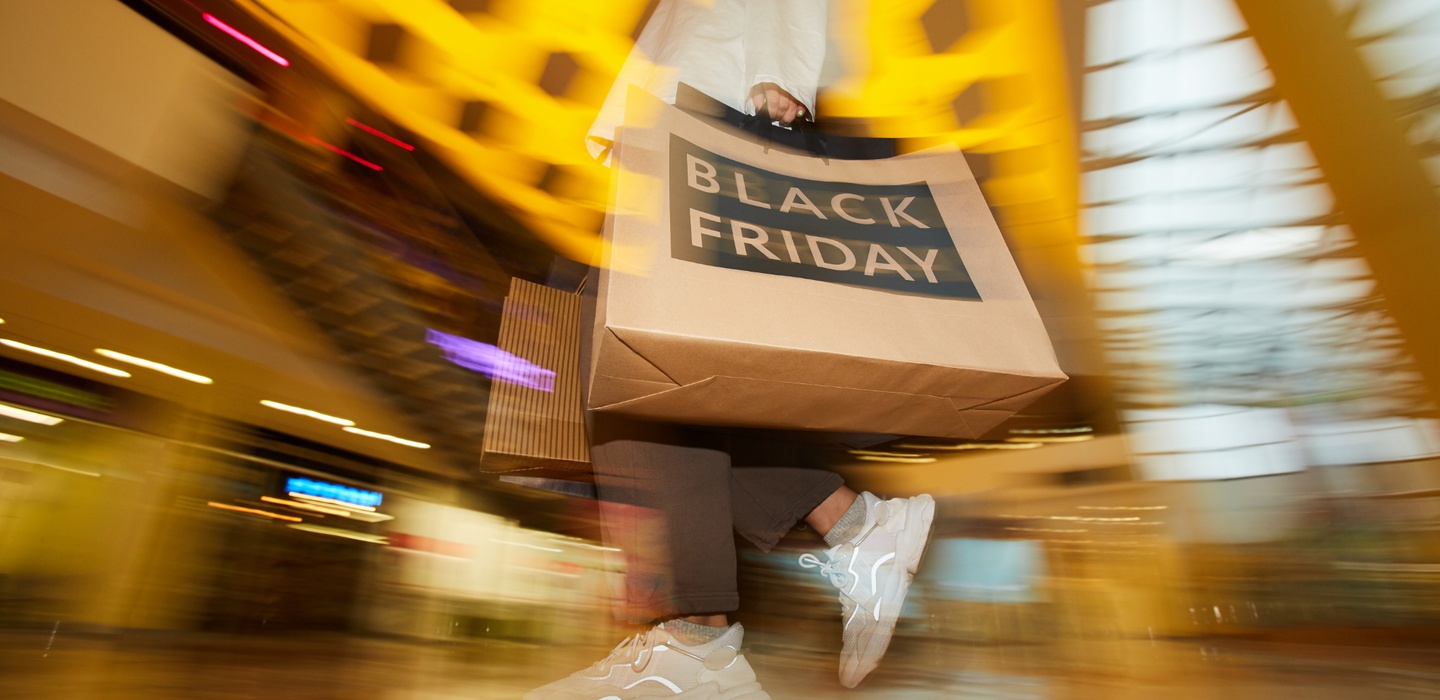
Navigating South Africa’s Black Friday Without Going Into the Red
Every November, South Africa undergoes a remarkable seasonal transformation. Jacarandas bloom, summer heat settles in and every retailer from Sandton to Sea Point suddenly develops a generous streak. What started as a single imported Friday of madness has mutated into “Black November,” a month-long carnival of flashing red banners, countdown timers and emails screaming about “unmissable” deals.
Used wisely, this retail extravaganza is a genuine gift to the inflation-weary South African consumer. Used recklessly, it is a financial wrecking ball disguised as a bargain.
The Bright Side of the Bargain
There is no denying that Black November offers real, tangible relief when household budgets are stretched thinner than a single-ply serviette. For disciplined shoppers, this month is an annual opportunity to make the Rand work harder.
First, it allows for strategic stocking up. Buying non-perishable groceries, toiletries, nappies and cleaning supplies in bulk at thirty percent off is not spending; it is locking in future savings against rising food inflation. Second, it takes the sting out of big-ticket necessities. If your washing machine gave up the ghost in October, waiting a few weeks to replace it during a legitimate November promotion can save you thousands of Rands. Finally, it is the smartest way to tackle festive gifting and back-to-school prep before December’s financial pressures peak. When you buy planned items at a discount, you keep cash in your pocket.
The Illusion of “Saving” Money
The trouble begins when the line between a genuine need and a shiny impulse blurs. Retailers spend millions studying consumer psychology to convince you that spending R4,000 on a discounted item means you “saved” R2,000.
In reality, if you had no intention of buying a dual-basket air fryer, a third smart television, or a Wi-Fi-enabled coffee machine before you saw the red sticker, you did not save R2,000. You just lost R4,000!
South African retail culture has perfected the art of artificial urgency. Flash sales, “limited stock” warnings, and Buy Now, Pay Later options bypass our rational brains. Suddenly, an unnecessary appliance feels like an urgent life requirement. That shiny espresso machine might look magnificent on your kitchen counter on the 28th of November, but by the 15th of January, it looks suspiciously like a missed debit order.
The Janu-worry Hangover
The true danger of Black Friday overspending is not felt at the till; it is felt in your cash flow over the next six months. In South Africa, the gap between a November payday and a January salary can feel like crossing the Karoo on foot.
When consumers raid their emergency savings or swipe credit cards for frivolous commodities, they trigger a painful domino effect:
- Cash Flow Paralysis: Cash tied up in unnecessary appliances cannot pay for January school fees, fuel price hikes, or unexpected car repairs. Liquidity is oxygen for a household budget and impulse buying cuts off the supply.
- The Compounding Debt Trap: Buying a discounted television on a credit card at twenty percent interest wipes out the Black Friday discount within months. You end up paying full price (or more) for a gadget that has already lost its novelty.
- Eroded Financial Resilience: Every Rand spent on a “nice-to-have” is a Rand stolen from your retirement annuity, your tax-free savings account, or your rainy-day fund. Small leaks sink great ships and repeated festive overspending keeps hard-working South Africans trapped in a cycle of living paycheque to paycheque.
How to Beat the House
You do not have to boycott Black November to protect your bank balance. You simply need to treat it like a surgical strike rather than an all-you-can-eat buffet.
Before opening a single shopping app, write down a strict list of items you actually need and set a hard cash ceiling. Delete saved credit card details from online stores to add friction to your checkout process. Most importantly, apply the twenty-four-hour rule: if an unbudgeted “bargain” catches your eye, walk away for a full day. Ninety percent of the time, the urge will pass, and your bank account will thank you.
Black Friday should serve your budget, not hijack it. Enjoy the genuine discounts on the things you truly need, leave the frivolous gadgets on the shelf and enter the new year with your savings, and your sanity, intact.


