It is perhaps a common misconception that wildlife conservation is a part-time endeavour carried out by ‘animal lovers’. In fact, wildlife is deeply woven into South African culture, history, and traditions—from traditional indigenous totem systems to modern national symbols.
Of course, central to our work is protecting endangered species ranging from rhino to the African penguin from extinction, but it is so much more.
We at the Spirit Foundation support wildlife conservation in South Africa because it safeguards one of the world’s most megadiverse ecosystems while serving as a vital economic engine for community development and job creation.
As a nation ranked sixth among the world’s 17 megadiverse countries, South Africa’s natural heritage directly underpins both ecological stability and national prosperity.
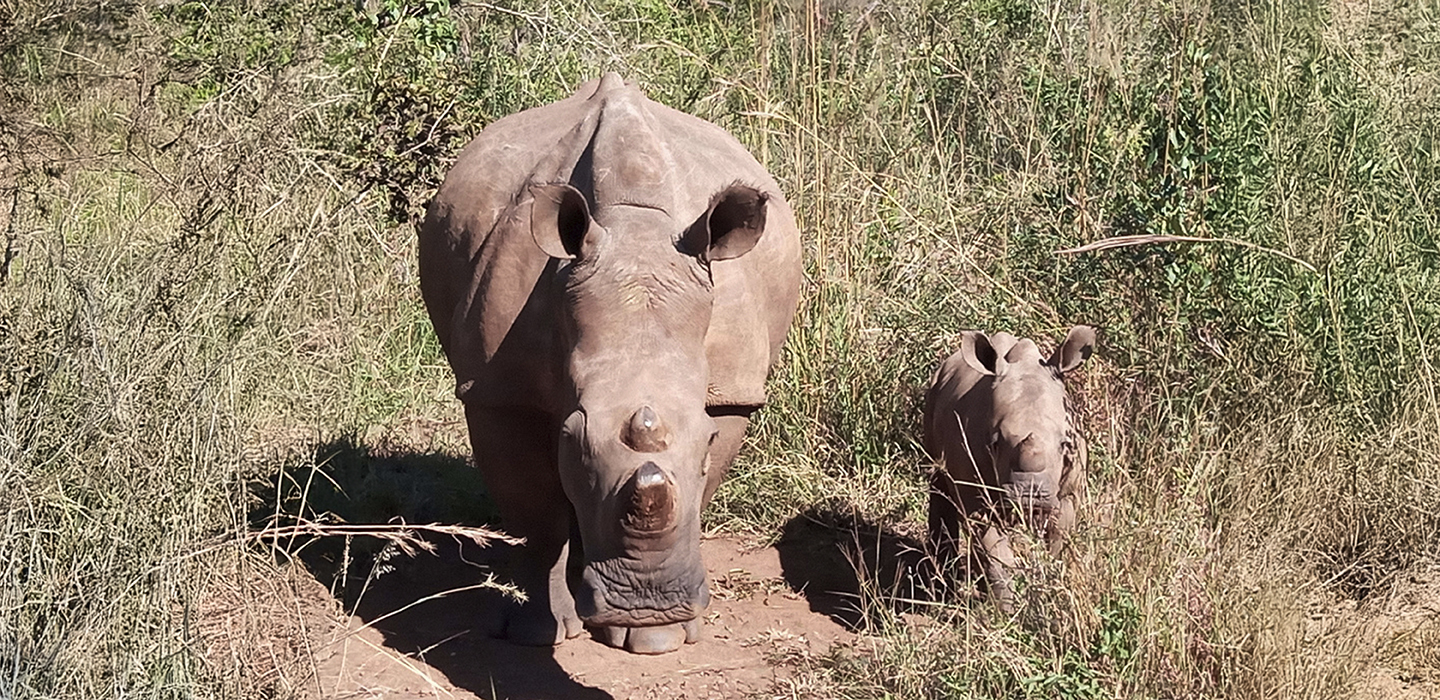
As South Africa is home to the world’s largest remaining populations of rhinos, which face persistent, severe threats from illegal international syndicates, we are at the forefront of an anti-poaching frontline. It is thus vital that conservation programmes the Spirit Foundation such as Care for Wild, Wildlife Vets and SANCCOB keep our endangered species alive.
Wildlife conservation is essential to maintaining genetic security. The fragmentation of land blocks historical migration routes, meaning that active wildlife management via translocations such as those conducted by Wildlife Vets and Mountainlands help ensure healthy gene flow and prevent the inbreeding of small, isolated animal populations.
Wildlife conservation is also about safeguarding biodiversity and ecosystem resilience.
Protecting apex predators and keystone herbivores keeps food webs balanced and prevents ecological collapse. Healthy wildlife habitats protect vital natural processes—including insect pollination, natural seed dispersal, and nutrient cycling—which are foundational to the country’s agricultural sector.
Our work also has a positive impact on climate ecosystems as sprawling savannas, act as crucial carbon sinks. They help absorb greenhouse gases and buffer local communities against extreme weather events like droughts and flash floods.
But wildlife conservation is not ‘just’ about animals, nature and climate, it is essential to rural communities, economic development, job creation and tourism. Iconic species like the Big Five draw millions of international visitors annually, making tourism a primary source of foreign exchange and national revenue.
For every single job created in direct biodiversity conservation, another five jobs are supported in economic sectors that depend on it. This provides sustainable income in remote rural areas where alternative employment options are scarce. South Africa’s unique conservation model also allows for private game ranching and community-led conservancies. This model can help transform wildlife into a valuable economic asset, incentivising landowners to restore over-used agricultural land back to natural habitats.
So, far from just being simple ‘animal lovers’ (which unashamedly are), the work of the Spirit Foundation in wildlife conservation is an intergenerational programme of importance.